ASEAN’s Role in Shaping the Future of Global Trade Governance
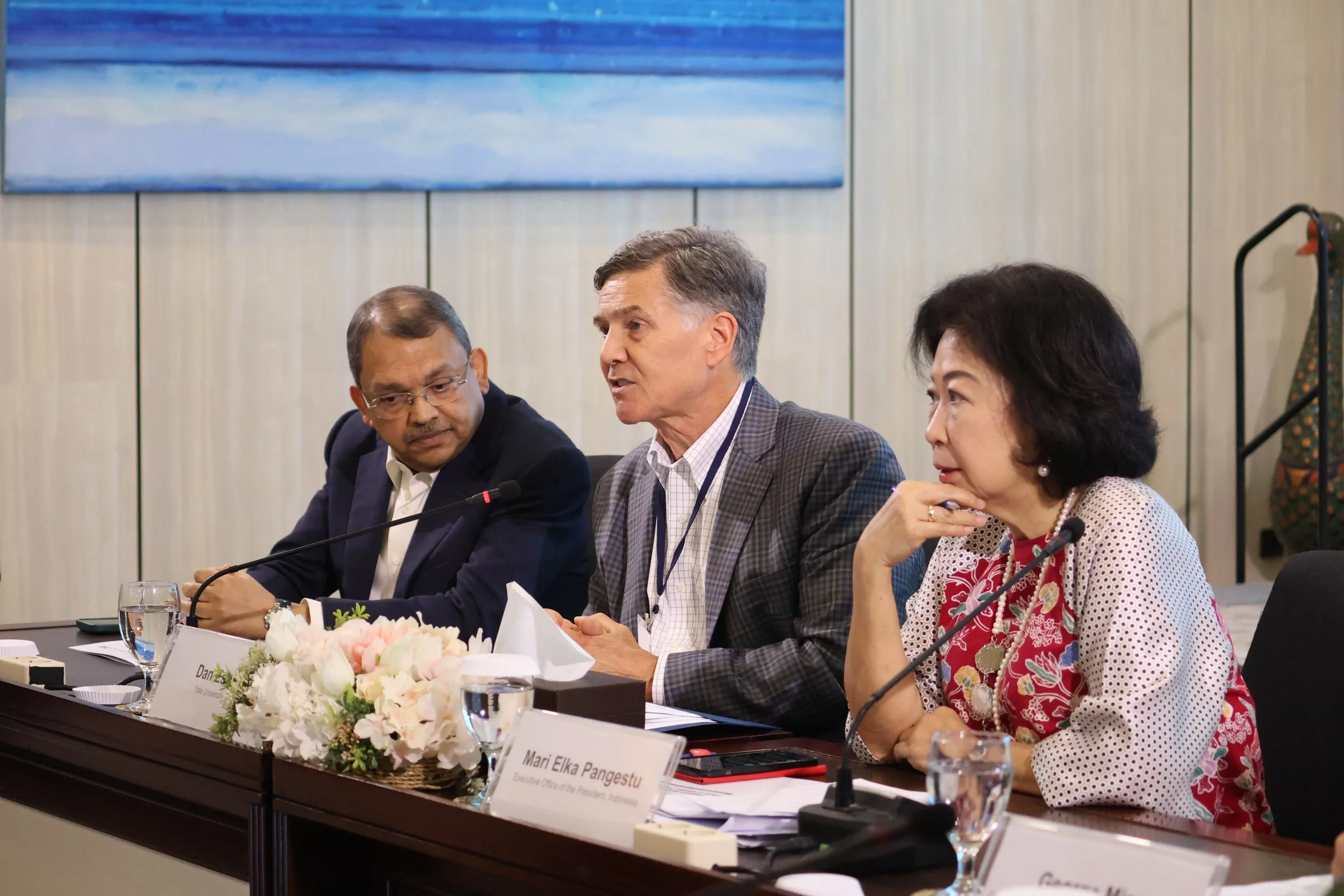
Around 100 academics, government officials, civil society representatives, and sustainability and trade thought leaders gathered in Jakarta, Indonesia, to discuss how the ASEAN region should respond to the pressures on the global trade system and explore how it can shape a future-proof trade system that supports economic prosperity and sustainability. The workshop was organized by the Remaking Trade Project, the Decarbonization for Development Lab at the Centre for Strategic and International Studies (Indonesia), and the Indonesian Ministry of Trade (Kementerian Perdagangan Republik Indonesia). Central to the discussions was a recognition that the ASEAN region has been a major beneficiary of the post-World War II trade system and that a breakdown of a rules-based trade system would have severe negative consequences for the economies of the region, which rely heavily on trade and sit at the center of many global supply chains. But participants also acknowledged that the current trade system, especially the World Trade Organization (WTO), is experiencing a period of prolonged political paralysis that has undermined its credibility and ability to respond to seismic changes that affect the global economy. The ASEAN region, participants agreed, is well positioned to build pragmatic pathways toward a new era of global trade cooperation, acting as a bridge-builder between major powers and between multilateral and regional approaches.
Among the key issues explored during the roundtable were the impact of geopolitical fragmentation on trade cooperation, the growing importance of plurilateral rulemaking, the challenges and opportunities posed by sustainability-linked trade measures, how to deliver effective industrial strategy in a context of constrained fiscal space, and pressures on the trade system from rapid technological transformation. The discussions also proposed a number of tangible ideas for ASEAN to champion in the WTO reform process, including on issues such as decision-making, plurilateral negotiation, and subsidies